
A Twils homeowner field guide
Useful answers before the estimate.
This guide is built from the same scope questions Twils uses to discuss surfaces, preparation, coating choices, access, weather, and closeout. Project-specific facts belong in the written estimate after the property is understood.
01 / Read the surface
The right time to repaint starts with condition.
Florida sun, humidity, heavy rain, salt air, and temperature changes can affect a coating differently from one elevation to the next. A shaded wall, a south-facing wall, and a coastal-facing detail may not age at the same rate.
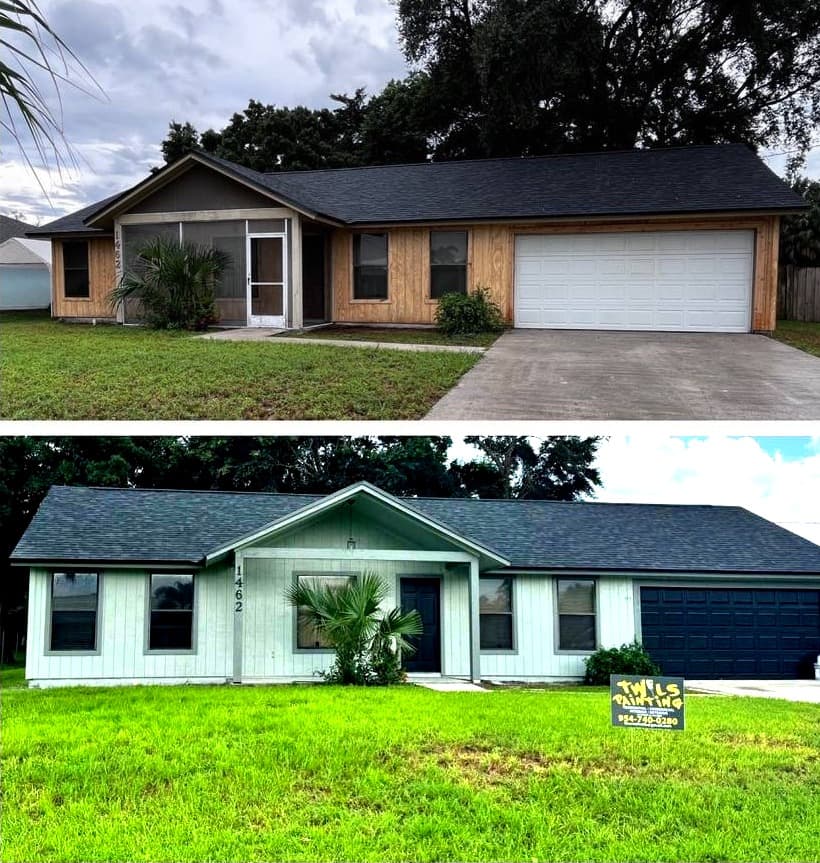
Look for chalking, fading, peeling, loose coating, mildew, exposed repairs, failed caulk, cracks, and areas where water appears to be reaching the substrate. These are reasons to inspect the surface rather than rely on an automatic calendar reminder.
02 / South Florida exposure
Weather changes both wear and planning.
UV exposure can affect color and coating wear. Humidity and rain affect mildew risk, drying, and application windows. Wind-driven rain and salt air can make cleaning, metal details, and surface compatibility more important near the coast.
A repaint plan should consider the substrate, existing coating, current moisture condition, and the manufacturer requirements for the proposed system. The visible color is only one part of the decision.
03 / A useful inspection list
Look for signals before the finish fails completely.
A condition review can identify whether the next step is a full repaint, focused preparation, a repair conversation, or simply continued monitoring. It can also separate cosmetic coating wear from a water-intrusion or structural question.
- Fading, chalking, peeling, or exposed substrate
- Mildew or staining that returns after cleaning
- Cracks, failed caulk, or loose stucco areas
- Rusting metal details or deteriorated trim
- A color change that requires different preparation or priming
Make it specific
Connect the question to the right scope.
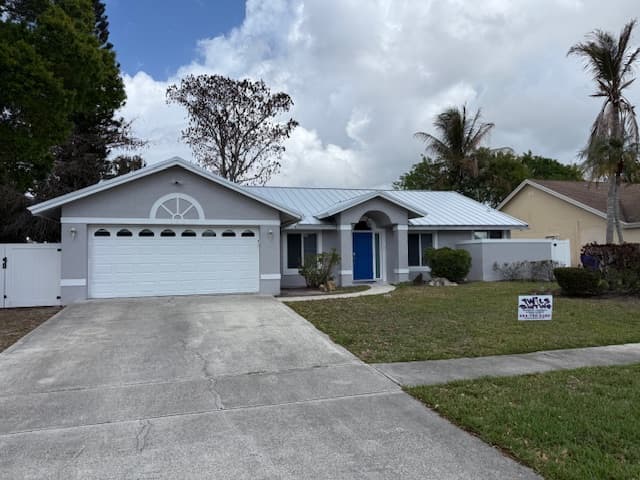
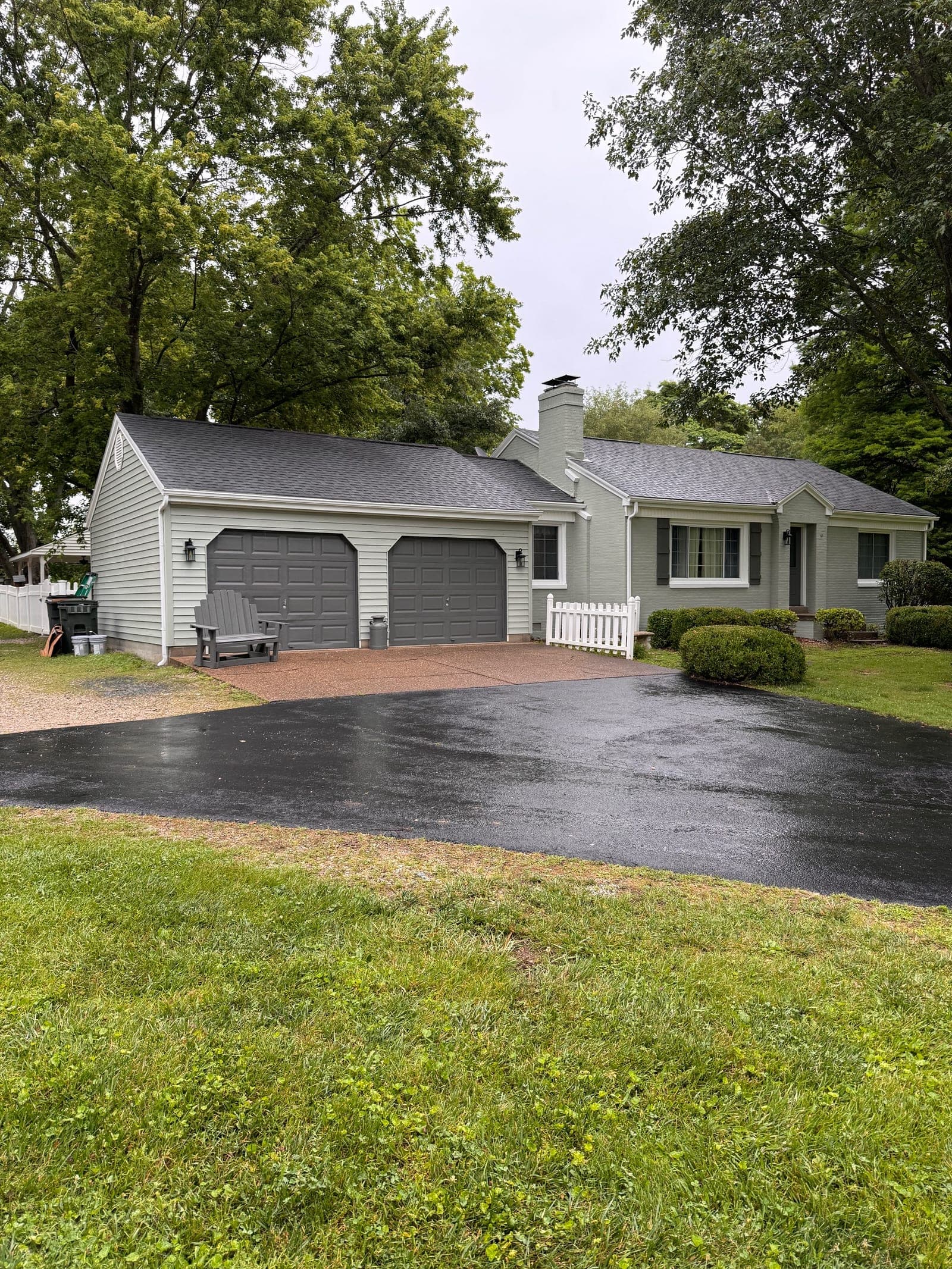
Real Twils work
See the kind of work the question describes.
Questions to settle early
Keep the estimate conversation clear.
How many years should exterior paint last in Florida?
There is no responsible single number for every property. Exposure, substrate, preparation, coating system, color, weather, and maintenance all affect wear. Inspect the actual surface before planning the next repaint.
Does fading always mean a house needs to be repainted?
Fading is one signal, but the broader condition matters. Chalking, peeling, cracks, mildew, failed caulk, or exposed repairs may affect the preparation and scope as well.
Should I repaint before hurricane season?
Timing depends on the surface, weather window, access, and the work required. Request an evaluation early enough to discuss preparation and drying requirements rather than relying on a rushed date.
Continue the field notes
Related homeowner questions.
Coating and color selection
How to Choose Exterior Paint in South Florida
The best exterior paint decision connects the surface, exposure, preparation, color, and manufacturer requirements.
Read the guideStucco and surface condition
Should Stucco Be Repaired Before Painting?
Paint can refresh a surface, but it should not conceal movement, water intrusion, or a repair question that needs a different answer.
Read the guide