
01 / Start with condition
Look at the substrate, not just the color.
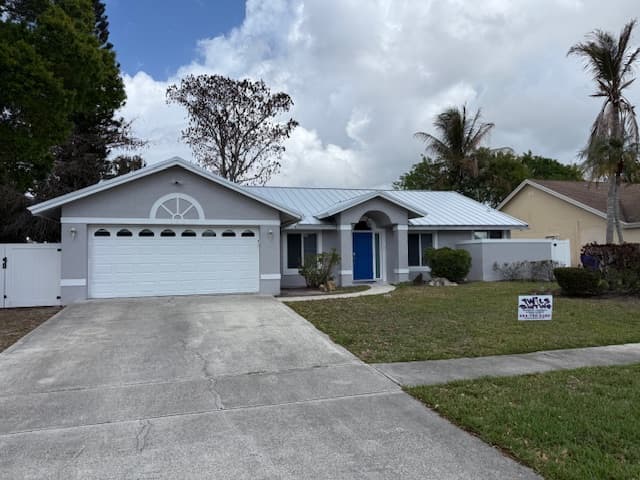
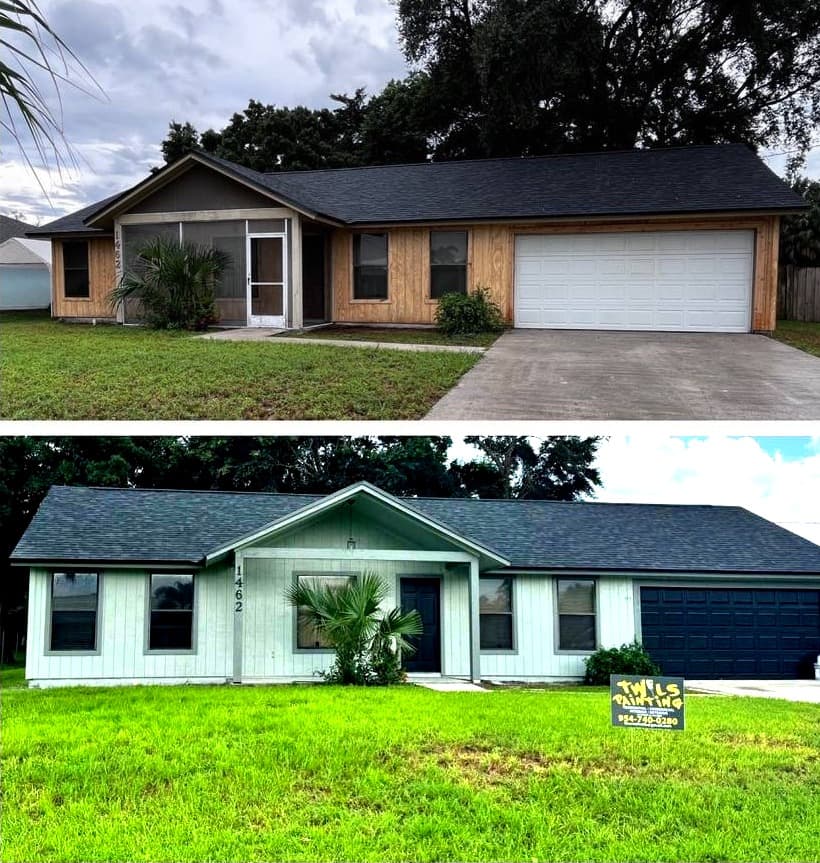
Paint follows the surface beneath it. A scope should identify what is being painted, the existing condition, visible failures, prior repairs, moisture concerns, access constraints, and areas that need closer evaluation.
Exterior walls
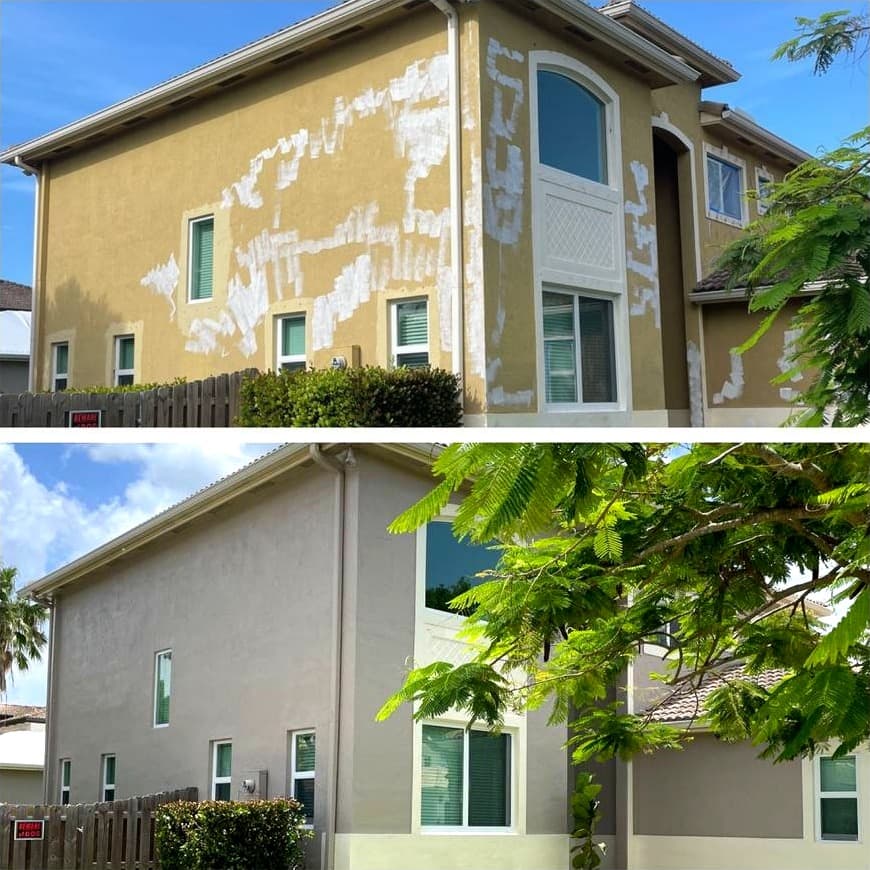
Look for chalking, mildew, loose coating, cracks, patched stucco, stains, and areas exposed to heavy sun or rain.
Interior surfaces
Check holes, cracks, stains, glossy finishes, trim condition, moisture history, and what must be moved or protected.
02 / Define preparation
Prep is a list of actions, not one vague line.
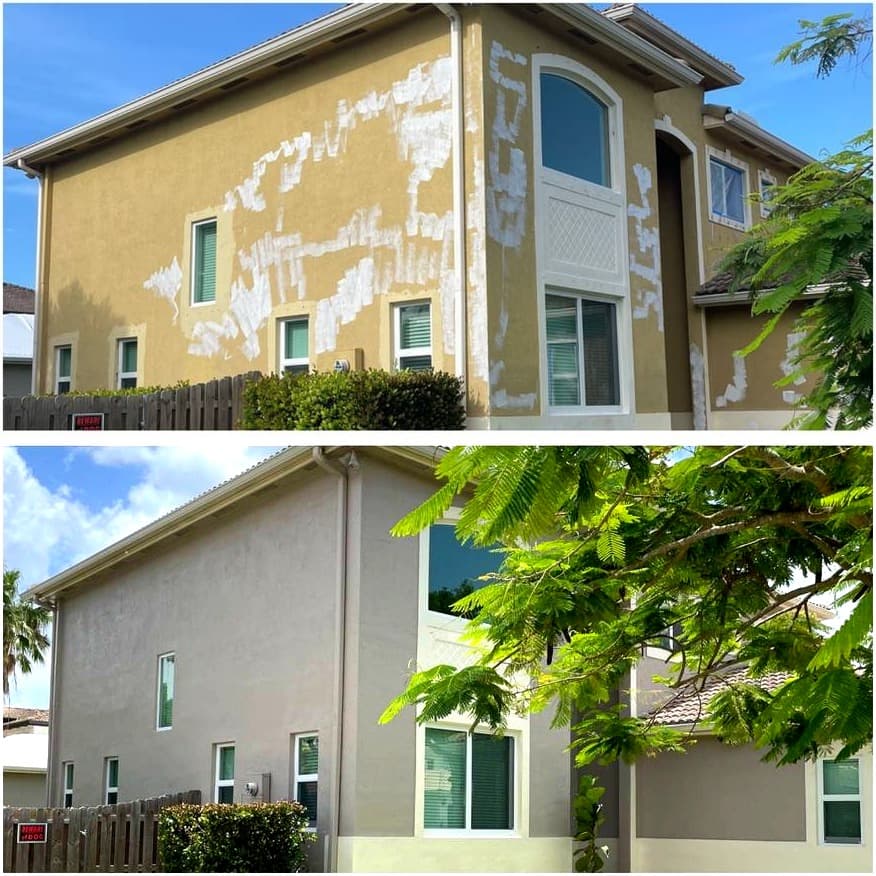
Ask which surfaces will be cleaned, scraped, sanded, patched, caulked, repaired, or primed. Confirm which visible defects are included and which require a separate trade or change in scope.
Preparation requirements vary by surface and coating. The written estimate should make those project-specific decisions visible.
03 / South Florida exposure
Climate changes the questions worth asking.
Heat and UV
Direct exposure can affect color, coating wear, surface temperature, and when exterior products may be applied.
Humidity and rain
Moisture condition, drying requirements, mildew, wind-driven rain, and weather windows belong in exterior planning.
Salt and wind exposure
Properties closer to coastal exposure may need added attention to cleaning, metal condition, and product compatibility.
Stucco movement
Crack type and movement matter. A paint estimate should not disguise a structural or water-intrusion question as a cosmetic patch.
04 / Confirm the coating
Name the products in writing.
Brand alone is not a specification. Ask for the product line, primer where applicable, finish or sheen, color information, and the agreed application expectations for each surface group.
Product choice should follow substrate condition, prior coating, exposure, room use, manufacturer instructions, color, and the finish you expect. Avoid a one-product answer for every surface.
05 / Estimate checklist
Seven details to get out of the gray area.
- 01Every surface included in the project
- 02Protection and access responsibilities
- 03Cleaning, repair, sanding, caulking, and priming details
- 04Named coating products, finishes, colors, and coat expectations
- 05Items specifically excluded from the price
- 06Weather, drying, access, and schedule assumptions
- 07Cleanup, touch-up, and final walkthrough expectations
06 / Closeout
Walk the finished scope together.
A final walkthrough is different from a broad satisfaction guarantee or warranty. It is the point where the completed work is reviewed against the agreed scope and agreed touch-ups are identified before closeout.
If a warranty is offered, ask for the written duration, covered conditions, exclusions, remedy, and who is responsible for materials and labor. Do not treat a badge as the term itself.