
A Twils homeowner field guide
Useful answers before the estimate.
This guide is built from the same scope questions Twils uses to discuss surfaces, preparation, coating choices, access, weather, and closeout. Project-specific facts belong in the written estimate after the property is understood.
01 / Start with the substrate
The color is visible. The surface does the work.
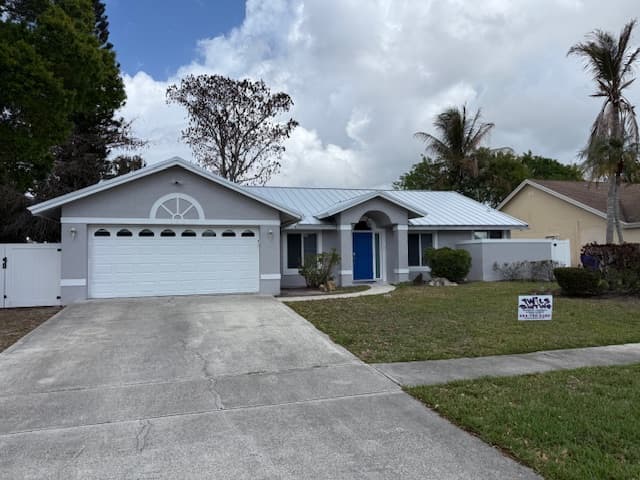
Stucco, previously painted masonry, trim, doors, and other exterior materials can need different preparation and coating decisions. Start with the existing surface, its condition, and any repairs rather than choosing a product in isolation.
A major color change, stain, chalking, or uncertain prior coating can change the preparation and primer discussion.
02 / Account for exposure
South Florida weather belongs in the specification.
UV exposure, humidity, heavy rain, salt air, surface temperature, and drying windows all matter when an exterior coating is selected and scheduled. The right question is not only which color looks good; it is whether the planned system matches the property and manufacturer requirements.
A coating conversation should also include the existing finish, sheen, color, access, and the maintenance expectations you have for the property.
03 / Make the choice concrete
Put the coating decisions in the estimate.
Ask for the product line, finish or sheen, color information, primer where applicable, surfaces included, and application expectations. Brand names alone do not describe a complete coating system.
The estimate should also state what happens if the existing surface reveals a condition that is outside the agreed scope. That clarity protects the color decision and the property underneath it.
- Surface and substrate identified
- Preparation and primer requirements stated
- Color, sheen, and coating line recorded
- Weather, access, and drying assumptions confirmed
Make it specific
Connect the question to the right scope.
Real Twils work
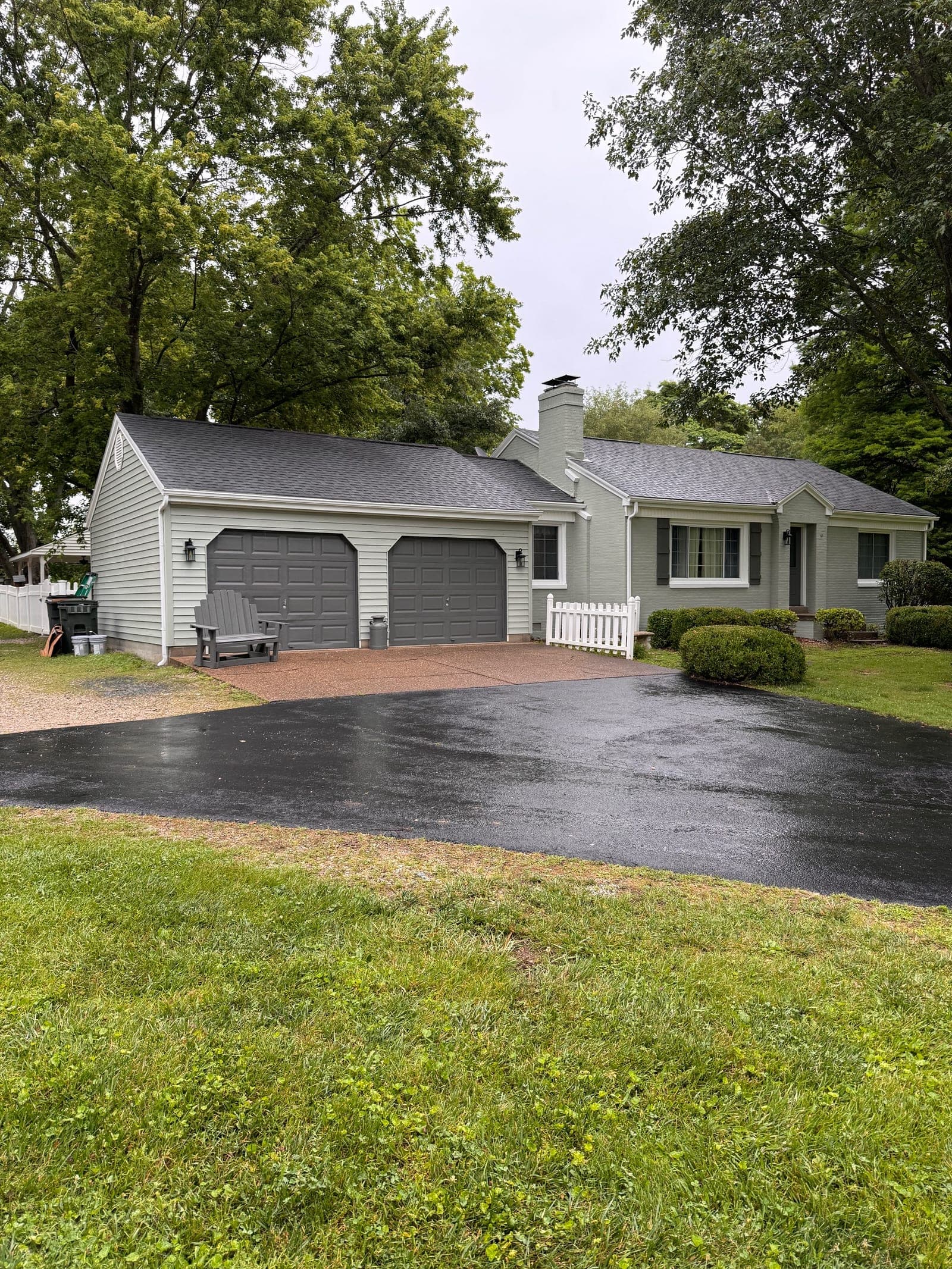
See the kind of work the question describes.
Questions to settle early
Keep the estimate conversation clear.
What exterior paint is best for a Florida home?
The answer depends on the substrate, existing coating, condition, exposure, color, moisture, and manufacturer requirements. A property-specific scope is more reliable than one universal product recommendation.
Does a darker exterior color wear faster in South Florida?
Color, exposure, surface temperature, coating system, and maintenance can all affect wear. Discuss the color and exposure together and confirm the proposed system for the actual surface.
Should the front door use the same paint as the exterior walls?
Not necessarily. Doors, trim, and walls can have different materials, use, finish, and preparation needs. The estimate should identify each surface group and its coating expectations.
Continue the field notes
Related homeowner questions.
Maintenance and timing
How Often Should You Repaint a House in Florida?
There is no reliable one-size-fits-all repaint schedule. Exposure and surface condition tell you more than the calendar alone.
Read the guideStucco and surface condition
Should Stucco Be Repaired Before Painting?
Paint can refresh a surface, but it should not conceal movement, water intrusion, or a repair question that needs a different answer.
Read the guide