
A Twils homeowner field guide
Useful answers before the estimate.
This guide is built from the same scope questions Twils uses to discuss surfaces, preparation, coating choices, access, weather, and closeout. Project-specific facts belong in the written estimate after the property is understood.
01 / Protect the property
Preparation begins before the surface is cleaned.
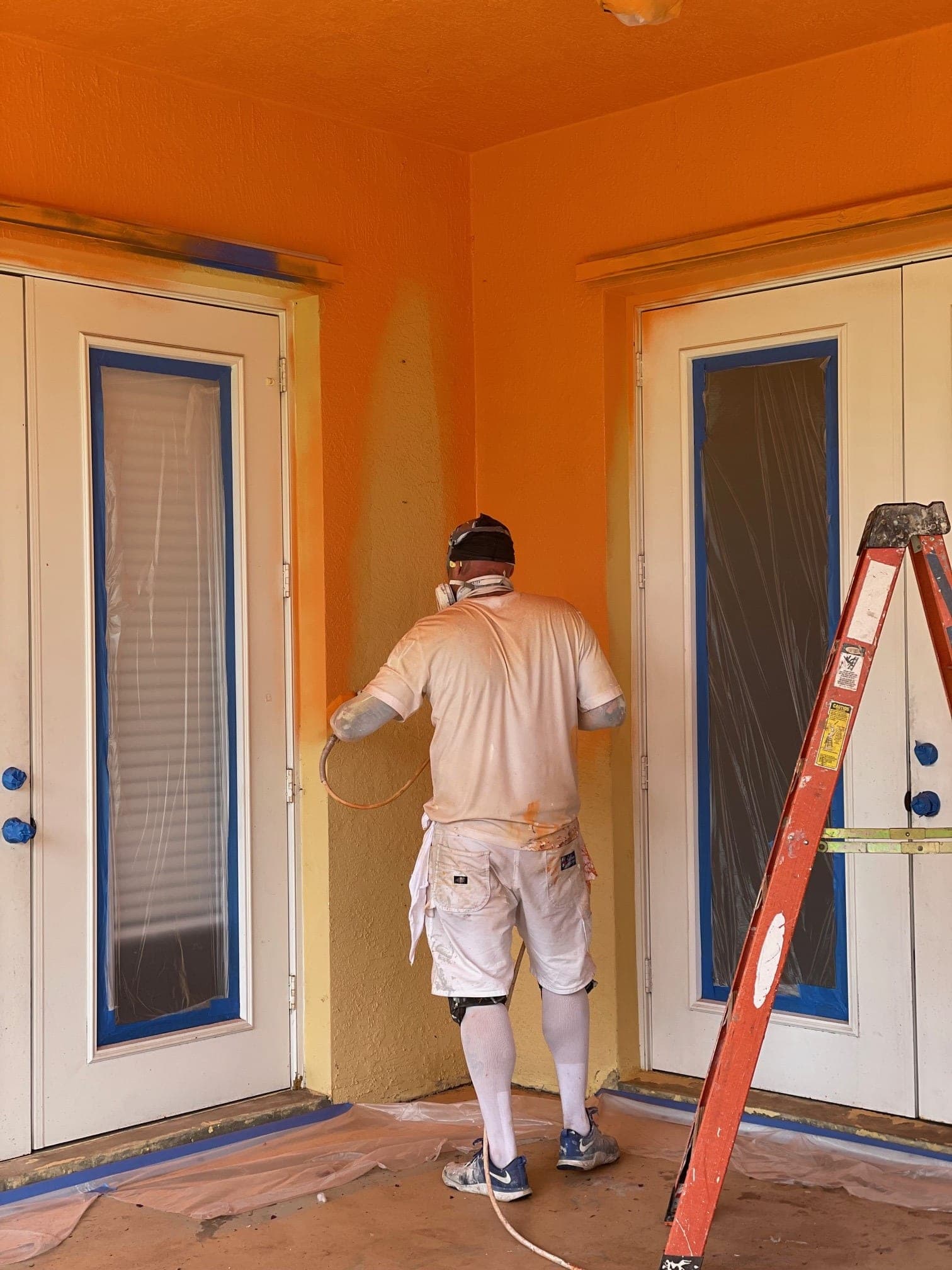
A written scope should identify the floors, furnishings, fixtures, landscaping, windows, doors, and adjacent surfaces that need protection. Exterior access, plants, walkways, and vehicles should be considered before work starts.
Protection is part of a professional handoff: it makes the work area clear and reduces surprises about what is included.
02 / Clean and evaluate
Remove what is loose, then understand what remains.
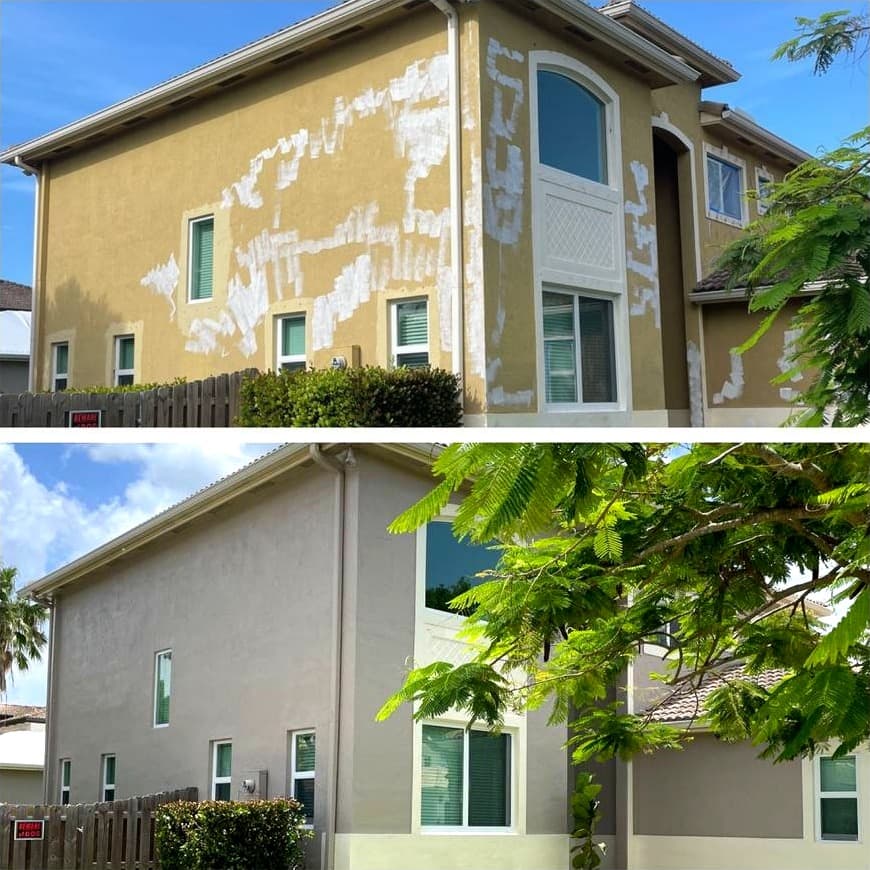
Dirt, mildew, chalking, loose coating, and surface residue can interfere with adhesion. Cleaning must be followed by enough drying time and a condition review so the estimate does not hide repairs inside a generic prep line.
Cracks, patched stucco, failed caulk, stains, and areas of moisture concern deserve specific notes. A coating should not be used to disguise a question that belongs to another trade.
03 / Repair, sand, and prime
The right preparation depends on the substrate.
Repairs, sanding, caulking, and priming are not automatic checkboxes. The written estimate should identify what will be done, where it will be done, and what remains outside the painting scope.
Primer may be appropriate for repairs, stains, adhesion, or a major color change. Product selection and application should follow the existing coating, substrate, exposure, and manufacturer instructions.
- Patch and sand agreed defects
- Caulk appropriate joints and transitions
- Prime repairs, stains, or major color changes where specified
- Confirm weather, drying, and access assumptions
04 / Inspect the closeout
A final walkthrough closes the loop.
After the agreed coating work is complete, review the finished surfaces against the written scope. Identify agreed touch-ups before closeout and keep any warranty or maintenance terms in writing if they are offered.
Make it specific
Connect the question to the right scope.
Real Twils work
See the kind of work the question describes.
Questions to settle early
Keep the estimate conversation clear.
Is pressure washing always part of exterior preparation?
The appropriate cleaning method depends on the surface, condition, access, and agreed scope. The estimate should identify the cleaning and preparation actions for the property rather than assume one method fits every surface.
Does every exterior crack need to be repaired before painting?
Crack type and movement matter. Cosmetic preparation, water intrusion, and structural concerns should not be treated as the same issue. Ask for the specific repair scope and any conditions that need another evaluation.
Why does new paint peel after a short time?
Peeling can relate to moisture, contamination, loose prior coating, substrate condition, incompatibility, or application conditions. A condition review and appropriate preparation are important before recoating.
Continue the field notes
Related homeowner questions.
Stucco and surface condition
Should Stucco Be Repaired Before Painting?
Paint can refresh a surface, but it should not conceal movement, water intrusion, or a repair question that needs a different answer.
Read the guidePainting cost guide
How Much Does House Painting Cost in South Florida?
A useful painting price starts with the property condition and written scope, not a vague square-foot promise.
Read the guide