
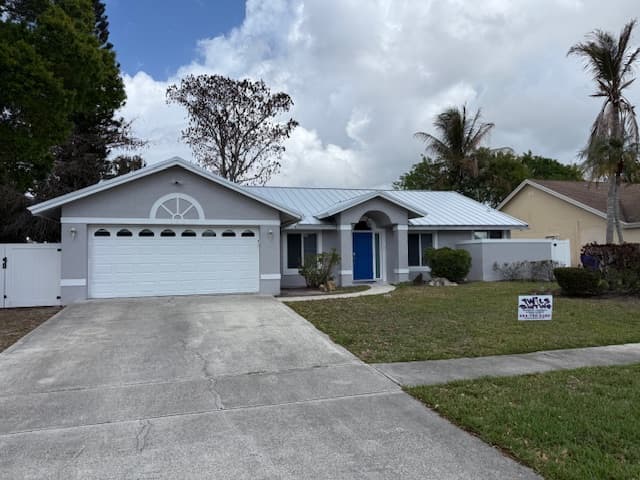
A Twils homeowner field guide
Useful answers before the estimate.
This guide is built from the same scope questions Twils uses to discuss surfaces, preparation, coating choices, access, weather, and closeout. Project-specific facts belong in the written estimate after the property is understood.
01 / Start with the scope
The price follows what is actually being painted.
House painting estimates vary because properties vary. Interior rooms, exterior walls, trim, doors, ceilings, stucco, and repairs each change the work involved. A useful estimate names the surfaces instead of treating the entire property as one interchangeable number.
Twils starts with the project type, property location, condition, access, and the finish you want. The written scope should make those decisions visible before work begins.
- Which surfaces and rooms are included
- What protection and preparation are included
- Which coatings, primers, colors, and finishes are specified
- What access, weather, and cleanup assumptions apply
02 / What moves the estimate
Condition and preparation are usually the first variables.
Chalking, mildew, loose coating, cracks, failed caulk, patched stucco, stains, glossy surfaces, and major color changes can require different preparation. Height, landscaping, furniture, occupied rooms, and access also affect how the work is protected and completed.
This is why an online calculator or a single price per square foot cannot replace a property-specific conversation. The estimate should separate included preparation from repairs or conditions that need another trade or a change in scope.
03 / Before you compare bids
Compare the scope, not just the total.
Two proposals can have different totals because they include different surfaces, preparation steps, coating systems, protection, or closeout expectations. Ask each painter to identify exclusions and the assumptions behind the schedule.
A clear estimate gives you a better basis for deciding whether the proposed work matches the condition of the property. Twils uses the estimate conversation to confirm those details directly.
- Surface-by-surface inclusions and exclusions
- Cleaning, repair, sanding, caulking, and priming steps
- Product line, sheen, color information, and application expectations
- Cleanup, touch-ups, and final walkthrough process
Make it specific
Connect the question to the right scope.
Real Twils work
See the kind of work the question describes.

Questions to settle early
Keep the estimate conversation clear.
Can I get a house painting price without an estimate?
A rough conversation can identify the project type, but the reliable price depends on the surfaces, condition, preparation, access, coating choice, and project size. Twils confirms the scope before providing an estimate.
Does preparation change the cost of exterior painting?
Yes. Cleaning, scraping, repairs, sanding, caulking, and priming may be needed depending on the existing surface. The written estimate should identify which preparation is included.
Are paint and other materials included?
Confirm this in the written estimate. It should state which labor, coatings, primers, repair materials, and supplies are included for the project.
Continue the field notes
Related homeowner questions.
Preparation checklist
How to Prepare a House for Exterior Painting
The finish starts with a sequence of actions that make the surface ready, not with the first coat of paint.
Read the guideMaintenance and timing
How Often Should You Repaint a House in Florida?
There is no reliable one-size-fits-all repaint schedule. Exposure and surface condition tell you more than the calendar alone.
Read the guide